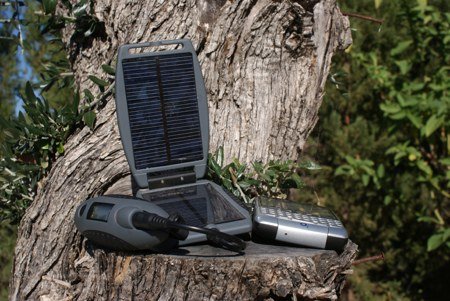
Expats know that many of the countries we move to don’t have reliable electrical supply, of course we all know about the dangers of relying on electricity in African or Latin American nations where brownouts occur frequently, but expats moving to Spain should also be aware of the less than perfect electrical supply in some parts. Making sure we have surge protection, or portable power packs available is essential.
In the major cities brownouts are less common, but in the smaller villages or out ‘in the campo’, the Spanish name for rural districts, you can expect regular brownouts, perhaps even as often as several times per week. Brownouts are momentary blips in the supply of electricity, the lights might flash or dim, and you’ll hear machines like fridges shudder or slow and kick back on again.
Blackouts are full power outages, and luckily occur less often, but when they do, power can be disrupted for minutes to hours and in some parts of Spain might be frequent occurrences. Around Ronda and inland Andalucía, perhaps even parts of the Costa del Sol, you can expect a lot of brownouts, and during the winter rainy season frequent blackouts in the rural districts pretty much everywhere. The larger villages such as Arriate, Olvera, or Gaucín tend to get more maintenance work so their services are better.
The problem areas include isolated houses, small groups of campo houses, and several of the smaller villages, and brownouts may be a weekly occurrence, rising to daily occurrences during winter. Montejaque and Benaojan for example, two of the more popular expat villages tend to get less brownouts, but in the rainy season frequent blackouts can be a problem.
This doesn’t mean you shouldn’t plan a move to the Serranía or Spain, we believe most rural parts of Spain suffer from the same problem. It does mean however that taking precautions to protect sensitive electrical equipment should be a must. And dare I say it, if you choose to live in these areas, some kind of portable power pack that uses batteries or solar power should be considered a necessary investment.
A simple project you can do yourself is to buy a truck battery, and inverter, and a battery charging device. During blackouts this should be sufficient to power a lamp, laptop computer, or low powered cooking device. The downside is that if you don’t know what you’re doing you could electrocute yourself.
Considering how easy and practical gas cooking, heating and lighting is, most expats simply keep a spare bombona (gas tank) which can be used with a BBQ or camping lamp. The challenge is how to recharge mobile phones or laptop batteries when the power goes off, or when you’re travelling. I prefer a complete solution that doesn’t require any knowledge of voltages, or polarity, and doesn’t give my nearest and dearest heart palpitations when I connect electrical devices to it.
The most affordable battery/solar device we’ve seen in these parts that is capable of fully charging a mobile phone/blackberry/iphone, a laptop computer, or digital camera can be bought from Mobi Power Packs on the Costa del Sol, talk to Chris or Simone and tell them Ronda Today mentioned them to you. I believe they also have a helpline in the UK for expats who travel between Spain and the UK.
Devices that include batteries and solar panels for charging mobile phones or laptops seem to be marketed at travellers, the military, or aid agencies operating in third world countries, but my advise would be to ignore the marketing showing soldiers in full camo gear, and think about your own comfort and peace of mind. Believe me, I’ve lived in a small village, and a lone house in the campo, and I can assure when the power goes off you’ll be glad of the ability to recharge a mobile phone, especially if like many expats you don’t or can’t get a landline connected.
Pricing for these sorts of devices is very reasonable, in fact they’re price competitive with computer UPS devices or surge protection devices you could buy from high street retailers, and are not restricted to use in the home, they can be use in the car as well. Other manufacturers offer similar devices but I’ve yet to see them sold in Spain, which concerns me even if their prices are similar. Call me old fashioned but I want to be able to talk to them for the price of a local call.

I’ve been living in this lovely area of Western Andalucia for the last 20 years or so and dedicate most of my time to the running of English language tourist information websites for the towns of Cádiz, Ronda, Grazalema, the famous or infamous Caminito del Rey, and also Wildside Holidays, which promotes sustainable and eco-friendly businesses running wildlife and walking holidays in Spain. My articles contain affiliate links that will help you reserve a hotel, bus, train or activity in the area. You don’t pay more, but by using them you do support this website. Thankyou!